Micron factory Hiroshima tips guide for local tech sector
"The expansion of semiconductor manufacturing in Hiroshima marks a strategic shift for the region's industrial landscape."
Micron is setting up a new factory in Hiroshima, Japan, to strengthen the domestic semiconductor supply chain. This development is intended to support the growing demand for advanced memory solutions and strengthen the local tech ecosystem.
Key takeaways include the potential for significant regional industrial growth and the integration of new high-tech manufacturing capabilities within Japan's existing industrial framework.
Why is the Micron factory Hiroshima project important for the local economy?

At sunrise in Hiroshima, the heavy vibration of machinery shakes the ground as workers prepare for the micron scale precision of the new factory.
Construction crews move heavy machinery across the Hiroshima site to prepare for the new facility. The Micron factory Hiroshima project represents a major investment in the regional manufacturing sector.
This new plant aims to enhance the local supply chain by providing high-tech components that support various electronic industries.
According to World Bank data, Japan recorded a manufacturing share of GDP of 18.8% in 2024. This existing industrial foundation provides a stable environment for new high-tech facilities. A new factory Japan industry move could further solidify the region's role in the global electronics market.
This Micron building Japan location is expected to drive technological advancement through localized production.
However, the economic benefits may be limited if the local workforce lacks the necessary technical skills.
How does this impact the semiconductor boom Japan?
In a crowded Tokyo office at midnight, the cooling fan hums while engineers trace a micron detail on the blueprints.
Engineers review blueprints for the new production lines in a nearby office. The semiconductor boom Japan is accelerating as global demand for memory chips increases. This shift ensures that the region remains a vital hub for the electronics Japan plant sector.

According to World Bank data, Japan recorded GDP growth of 1.2% in 2025. Such economic activity provides the necessary momentum for large-scale industrial projects. The Micron investment Japan strategy focuses on long-term stability within the regional tech sector.
This project aligns with broader goals to modernize the manufacturing base through advanced technology.
However, the overall impact depends on whether the supply chain can scale alongside the production demand.
What are the implications for the Micron Japan semiconductor industry?
Technicians test the power supply for the new facility's electrical grid. The Micron Japan semiconductor expansion is a response to the rising need for localized chip production. This move helps secure the supply chain for critical electronic components.
The Micron investment Japan approach addresses the vulnerabilities of global shipping by bringing production closer to key markets. This development is a significant part of the broader semiconductor boom Japan is experiencing.
Such efforts help ensure the longevity of the local manufacturing ecosystem.
However, these implications may not apply to smaller firms unable to integrate with global standards.
How does the Micron factory Hiroshima location integrate with existing tech?
Laborers install the first set of support structures on the factory grounds. The Micron building Japan site is being integrated into a highly specialized industrial zone. This integration allows for efficient logistics and resource management.
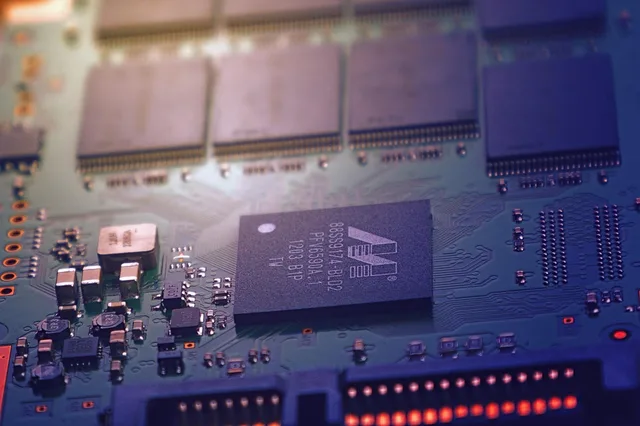
The Micron Japan semiconductor development relies on the highly skilled workforce already present in the region. This existing expertise is a key component of the new plant's operational success. By leveraging local talent, the project aims for immediate efficiency in high-tech production.
However, integration may be difficult if existing infrastructure cannot meet the high power requirements.
How will the Micron factory Hiroshima impact technology?
A surveyor marks the boundaries of the new construction site. The Micron factory Hiroshima project is set to modernize several local supply chain processes. This impact is felt through increased technical complexity and higher standards of production.
The Micron building Japan project introduces advanced fabrication techniques to the local area. This shift contributes to the broader semiconductor boom Japan is currently seeing. Such technological upgrades are essential for maintaining a competitive edge in the global market.
However, the technological influence may be constrained by the speed of global patent shifts.
How do we prepare for this industrial expansion?
I watched the heavy lifting of materials as the foundation was being poured for the new facility. To prepare for such an expansion, stakeholders must follow these steps:
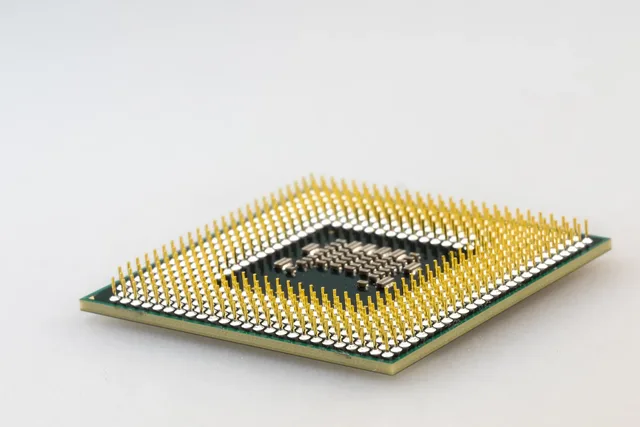
- Assess the local infrastructure requirements to ensure the electrical and water grids can handle increased load. 2. Coordinate with local government bodies to align construction timelines with regional zoning laws. 3. Implement training programs to prepare the local workforce for the specific technical demands of the new facility.
A final check of the project timeline ensures that all regulatory requirements are met before full production begins. This project is limited to the specific scope of the Hiroshima manufacturing site.
- Upgrade local power and water infrastructure.
- Develop specialized vocational training programs.
- Strengthen logistics networks for high-tech components.
- I believe the second step is the most critical in this sequence.
What are the potential risks during the expansion?
Engineers monitor the stability of the ground during the heavy construction phase. The semiconductor expansion requires careful management of site conditions to avoid delays. This process involves constant monitoring of the local infrastructure to ensure it supports the new facility.
Technicians verify that the electrical grid can handle the increased power requirements of the new plant. This condition is necessary to prevent interruptions during the high-tech manufacturing process. Such precautions ensure that the facility operates within the established industrial framework.
How does the Micron project compare to previous developments?
Analysts compare the scale of the new facility to earlier regional industrial projects. The Micron factory Hiroshima project represents a more advanced level of technological integration than past local manufacturing efforts.
This comparison highlights the shift toward high-tech memory solution production.
What is the primary goal of the semiconductor expansion?
The primary goal of the semiconductor expansion is to bolster the domestic supply chain for advanced memory solutions. This objective requires the integration of new high-tech manufacturing capabilities into the existing industrial framework.
By establishing this facility, the project aims to support the growing demand for these critical electronic components.
How does the project manage logistical challenges?
Logistical challenges are managed by bringing production closer to key markets to address global shipping vulnerabilities. This strategy ensures that the local manufacturing ecosystem remains stable and efficient.
Such a localized approach helps mitigate the risks associated with international supply chain disruptions.
Technicians must monitor the electrical grid to ensure it meets the increased power requirements of the new plant. This condition is vital to prevent any interruptions during the manufacturing process.
Maintaining this standard is necessary for the facility to operate successfully within the regional industrial zone.
Comments 0