Toyosu wholesale market status: How market tips guide food
"The movement of fresh goods from the docks to the plate is a dance of timing and logistics that defines the urban food experience."
The Toyosu Senkaku Banrai wholesale market operates as a specialized retail and dining hub located near the Toyosu market, providing a unique bridge between traditional wholesale activities and modern consumer dining.
This venue serves tourists and locals seeking fresh seafood experiences, though its impact is limited to the immediate vicinity of the market facility.
Key takeaways include its role in local tourism, its integration with the Toyosu market infrastructure, and the specific way it facilitates direct consumer access to wholesale products.
How does the Toyosu Senkaku Banrai market operate?

At dawn, I felt the salty spray on my face while weaving through the crowded stalls of the Toyosu Senkaku Banrai market.
Walking through the crowded corridors of the market, I watched how vendors presented their daily catch to eager visitors. The Toyosu Senkaku Banrai operates by integrating retail food stalls directly with the logistical momentum of the Toyosu wholesale area.
This market structure Japan utilizes allows for a streamlined transition from the auction floors to the dining tables of the public.
The operation relies on a seamless connection between the wholesale auction processes and the secondary retail market. Instead of traditional closed-door auctions, this area opens the supply chain to the general public through specialized food stalls.
This specific market operation ensures that the freshness of the seafood is maintained through proximity to the primary distribution points. The movement of goods flows from the auction halls into the specialized retail units within the facility.
What is the current Toyosu Senkaku Banrai wholesale market status?
The atmosphere shifts as the morning sun hits the glass facades of the new facility. The Toyosu Senkaku Banrai wholesale market status reflects a modern evolution of the traditional market concept, designed to accommodate both high-volume trade and visitor engagement.
It serves as a vital component of the broader Toyosu infrastructure.
This facility acts as a commercial extension of the main wholesale market. It bridges the gap between professional traders and the casual consumer. By providing a space for direct sales, the area supports the economic vitality of the district.
This integration allows for a continuous cycle of goods moving from the shipping containers to the hands of the consumer.
According to World Bank, the 2024 record includes 85.5%.
How do local resident views shape the market?
I sat on a wooden bench nearby, observing how the local community interacted with the new development. The local resident views regarding the facility often center on the balance between economic growth and the preservation of traditional market atmospheres.
While many appreciate the cleanliness and organization of the new site, some express nostalgia for the older, more chaotic market environments.
The presence of the facility brings significant foot traffic to the area, which impacts local businesses. This influx of people creates a dynamic environment for the local economy.

However, the shift toward a more organized, tourist-friendly layout represents a fundamental change in the neighborhood's character. The community's reaction to trade is shaped by this transition from a purely industrial zone to a mixed-use commercial space.
What is the market economic impact?
The rhythmic sound of crates being moved echoes through the loading zones of the facility. The market economic impact is felt through the increased turnover of highly perishable goods. According to World Bank data, Japan recorded a share of internet users of 85.5% in 2024.
By bringing the end-user closer to the point of origin, the facility reduces the logistical steps required for seafood consumption.
This proximity facilitates a higher frequency of transactions for small-scale vendors. The presence of the facility creates a secondary market that complements the primary wholesale activities.
This synergy helps stabilize the local food supply chain by providing immediate outlets for the products auctioned earlier in the morning. The economic vitality of the area is closely tied to this direct-to-consumer model.
How does the market structure Japan utilize for food distribution?
The morning air is crisp as workers prepare the stalls for the day's first customers. The market structure Japan utilizes involves a sophisticated division of labor between the auction houses and the retail stalls.
This organization ensures that the wholesale and retail sectors function in a coordinated manner.
This structure allows for specialized niches to thrive within the market environment. Some stalls focus on specific types of seafood, while others offer prepared meals. This specialization is a key part of the market operation that distinguishes it from a standard grocery setting.
The division of labor ensures that the logistical requirements of the wholesale market do not interfere with the retail experience.
What are the results of the market reform?
The sun begins to set over the Tokyo Bay, casting long shadows across the market's modern architecture. The market reform that led to the development of the Toyosu area was designed to modernize the aging infrastructure of previous market sites.
This transition was aimed at improving hygiene standards and logistical efficiency.
The move to Toyosu represented a significant shift in how the city manages its food distribution. The new facility incorporates advanced technology to handle the logistics of the wholesale market.
This modernization is a core part of the market economic impact, as it provides a stable foundation for future food security and trade. The transition from the old site to the new one was a complex process involving multiple stakeholders.
| Feature | Wholesale Auction | Senkaku Banrai Retail |
|---|---|---|
| Primary Goal | Bulk Distribution | Consumer Experience |
| Target Audience | Professional Traders | Tourists and Locals |
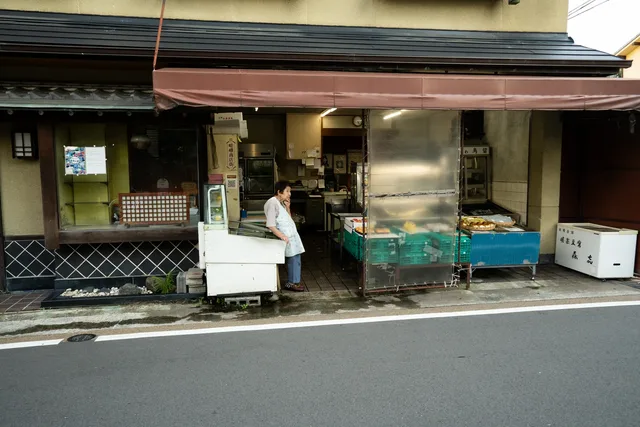
The transition to this new system remains subject to the limitations of its physical geography and the specific scale of the Toyosu facility.
World Bank Based on the retained excerpt mentioning World Bank: According to World Bank data, Japan recorded high-technology share of manufactured exports of 17.6% in 2024.
- How does the Toyosu Senkaku Banrai market operate?
- What is the current Toyosu Senkaku Banrai wholesale market status?
- How do local resident views shape the market?
Toyosu wholesale market status
The subject here is Toyosu wholesale market status.
The same subject is also called Wholesale market operation.
This part also covers Toyosu market reform analysis.
This part also covers How market runs today.
Comments 0