How does the wholesale market trade structure function?
The wholesale market trade structure serves as a vital link in the supply chain, connecting large-scale producers to various retail outlets. This guide explores how these hubs function, specifically focusing on how goods move through specialized environments to ensure food availability.
This overview is intended for logistics professionals and food industry observers looking to understand market economy flow. You will learn about the mechanisms of high-volume food distribution and the environmental complexities involved in large-scale trading.

Key takeaways include the specific role of environmental sampling in market oversight and the historical shifts in retail and wholesale integration.
How does the wholesale market trade structure function?
You hear the loud shouting in the crowded market while you watch how the auctioneer does his business at sunrise.
You watch how the system does its work as you squeeze a bruised fruit at the loading dock during the humid dawn.
A trader inspects a crate of fresh produce arriving at the loading dock under bright fluorescent lights. The wholesale market trade structure relies on a complex network of intermediaries who manage the movement of goods from farms to urban centers.
This system ensures that specific commodity types are sorted and distributed efficiently.
In many regions, the commercial exchange features a distinct separation between primary production and final consumption. Specialized distributors act as the bridge, managing the volume required by large supermarket chains.
This process maintains a steady flow of essential goods through the industrial supply chain.
- Identify potential suppliers.
- Negotiate bulk pricing terms.
- Finalize the distribution contract.
What are the specific goods transaction setup details?
You feel the cold air of the warehouse as you watch how the clerk does the inventory check at midnight.
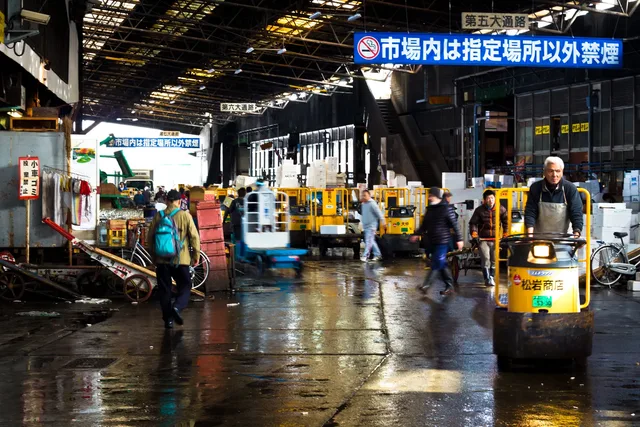
A worker carefully organizes wooden pallets inside a vast, temperature-controlled warehouse. The goods transaction setup involves standardized protocols to ensure that products remain fresh during the transition from wholesale to retail.
This setup is crucial for maintaining the integrity of perishable items.
In late January 2020, the Chinese Center for Disease Control and Prevention revealed that the virus was found in 33 out of 585 of environmental samples taken, 31 of which came from the area of the market where wildlife was particularly found.
I find that the second step is the most time-consuming.
How does the Japanese market buying system work?
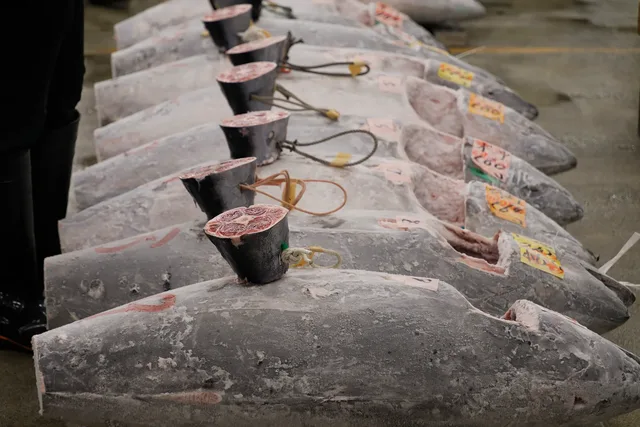
A buyer examines the quality of fish in a bustling, humid marketplace during the early morning hours. The Japanese market buying system often involves specialized auctions where wholesalers bid on massive quantities of seasonal goods.
This structured auction process dictates the daily price for various food categories.
The market economy flow is heavily influenced by the timing of these auctions. Efficient logistics ensure that products move from the wholesale level to the retail level within hours of being sold. This speed is essential for maintaining the quality expected by the final consumer.
What are the retail market sourcing methods?
A manager reviews inventory levels on a digital tablet while walking through a grocery aisle. Retail market sourcing methods often depend on the stability of the wholesale connection. Large corporations sometimes expand their influence by integrating different parts of the supply chain.
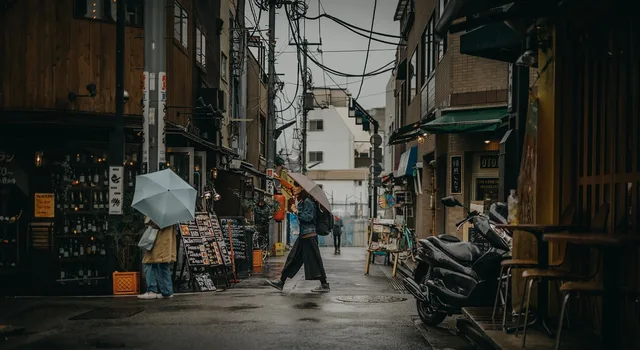
This acquisition allowed for a more direct connection between wholesale resources and the consumer's shopping basket.
Such integration helps streamline the Japanese market buying system for various grocery retailers.
How do environmental factors affect these markets?
A scientist collects water samples from a drainage grate near a market stall. The environmental conditions within a wholesale facility require constant monitoring to prevent contamination. Large-scale markets create unique ecosystems due to the high density of biological goods.
The complexity of these environments was highlighted during recent global health investigations.
The presence of specific wildlife in certain market areas adds an additional layer of complexity to the trade structure.
How to manage wholesale logistics?
A coordinator checks the departure time for a delivery truck in a busy depot. To manage the flow of goods through a wholesale market trade structure, follow these steps:
- Verify the quality and quantity of all incoming goods against the manifest. 2. Organize products into temperature-controlled zones to prevent degradation. 3. Coordinate the synchronized dispatch of vehicles to retail destinations.
Always perform a final check on the documentation before the truck leaves the facility. I have observed that even a small delay in this verification process can disrupt the entire downstream supply chain. This limitation applies when the market lacks automated tracking systems.
| Feature | Environmental Sampling Result |
|---|---|
| Positive Samples | 33 out of 585 |
| Wildlife Area Samples | 31 out of 33 |
Wikipedia: Huanan Seafood Wholesale Market (full) Based on the retained excerpt mentioning Chinese Center: Thirty-three out of 585 environmental samples (5.6%) obtained from the market indicated evidence of COVID-19 outbreak, according to the Chinese Center for Disease Control and Prevention.
What are the conditions for successful wholesale market integration?
- The wholesale market trade structure demands standardized protocols for product handling. 2. Maintaining the integrity of perishable items requires adherence to strict temperature controls during the transfer process. 3. Successful market integration depends on the stability of the wholesale connection to the retail sector.
The comparison between primary production and final consumption shows that specialized distributors manage the necessary volume for large supermarket chains. This management ensures a consistent flow of essential goods through the industrial supply chain, which is central to the market function.
How does environmental sampling relate to market oversight?
Environmental sampling serves as a critical aspect of market oversight within these high-traffic areas. The Chinese Center for Disease Control and Prevention noted the presence of a virus in environmental samples taken at the market.
This monitoring procedure helps assess the health risks associated with the wholesale market trade structure.
The complexity of the market environment is amplified by the presence of wildlife in certain market zones. This condition necessitates heightened vigilance during the inspection of goods arriving at the loading dock. The market system must account for these biological variables to function safely.
The coordination of dispatch vehicles is a key logistical step in managing the wholesale market flow. A coordinator must ensure that the departure time aligns with the established distribution schedule to avoid supply chain disruption.
This procedure is especially sensitive when automated tracking systems are absent in the market.
Comments 0