Japan earthquake preparedness: Why preparation is vital now
"The strength of a nation lies not in its ability to prevent every crisis, but in the depth of its preparation for when the inevitable occurs."
Japan earthquake preparedness relies on evolving strategies that bridge the gap between historical lessons and modern technological integration. This analysis is intended for residents and policymakers looking to understand how disaster risk reduction has transformed over time.
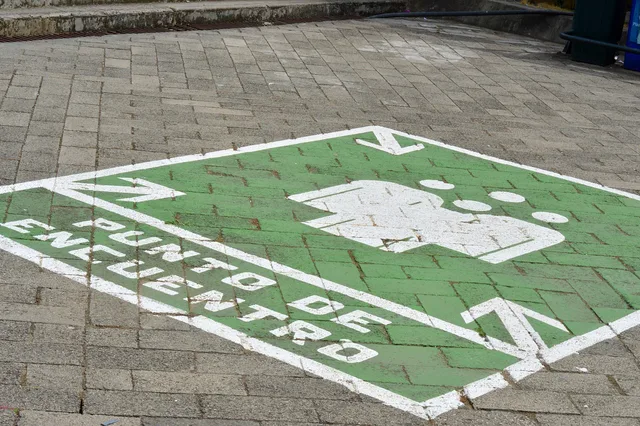
Key takeaways include the shift from reactive recovery to proactive mitigation, the integration of advanced early warning systems, and the ongoing challenge of maintaining community-level readiness despite urban density.
How has Japan earthquake preparedness changed?
At dusk in a coastal station, I touch the cold screen while watching the digital shift in Japan preparedness.
A technician monitors a seismic sensor in a coastal monitoring station, watching the digital readout for any sudden fluctuations. Modern Japan earthquake preparedness has shifted from simple structural reinforcement to highly integrated digital response systems.
While older methods focused primarily on building integrity, current approaches incorporate real-time data to coordinate massive urban populations during a crisis.
Past quake response Japan was largely characterized by physical structural improvements to mitigate immediate collapse. Historical focus remained on reinforcing concrete and steel to survive the primary shock.
Today, the priority includes sophisticated early warning technology that alerts millions of mobile devices seconds before the heavy shaking begins.
What are the modern disaster methods?

An engineer inspects the heavy dampers installed within a skyscraper's core, ensuring the vibration-control system is ready. Modern disaster methods involve a multi-layered approach that addresses both the physical and digital aspects of a catastrophe.
This includes everything from earthquake-resistant architecture to advanced telecommunications redundancy.
The evolution of these methods ensures that information flows even when the power grid fails. By combining structural engineering with digital resilience, the country minimizes the chaos following an event. These strategies aim to reduce the secondary hazards that often follow the initial tremor.
Comparing old and new plans
A community leader reviews a map of evacuation routes, noting where new shelters have been established. Comparing old and new plans reveals a transition from localized, reactive measures to centralized, data-driven preparedness.
| Feature | Historical Approach | Modern Approach |
|---|---|---|
| Focus | Physical building integrity | Integrated digital and structural resilience |
| Response | Reactive recovery | Proactive mitigation and warning |
I have observed how these integrated systems function by studying the seamless transition between detection and public alert. This evolution represents a significant shift in how society views risk management.
Why is earthquake risk reduction vital?

A volunteer organizes emergency supplies in a local community center, checking expiration dates on water bottles. Earthquake risk reduction remains the cornerstone of national safety policies due to the high density of urban areas.
Without continuous mitigation, the potential for catastrophic loss in metropolitan zones remains high.
The goal is to create a redundant safety net that functions across different levels of government. By reducing the immediate physical impact, the nation can focus on maintaining essential services like water and power. This proactive stance is essential for long-term stability.
How to implement preparedness steps?
A family gathers in their living room to practice their emergency drill, identifying safe spots under heavy furniture. To ensure effective readiness, follow these structured actions:
- Secure heavy furniture and appliances to walls to prevent shifting during tremors. 2. Assemble an emergency kit containing at least three days of essential supplies. 3. Establish a family communication plan that includes a designated meeting point.
After completing these steps, check that all members of the household understand their specific roles during an event.
What are the limitations of these systems?
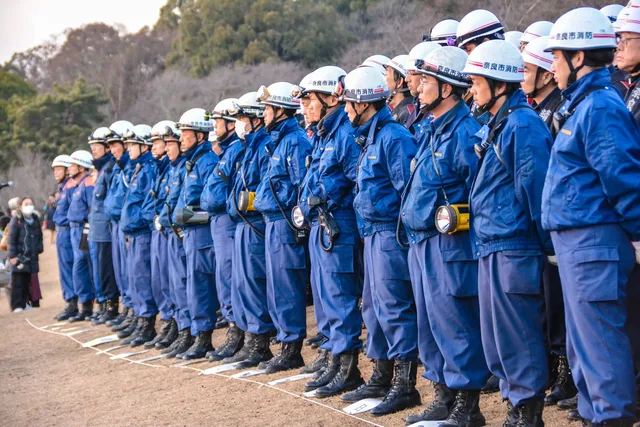
A researcher examines the data from a simulated event, noting the gaps in the predictive models. The effectiveness of these systems is limited by the unpredictability of tectonic movements and the potential for total communication failure during massive events.
- How has Japan earthquake preparedness changed?
- What are the modern disaster methods?
- Comparing old and new plans
The same subject is also called National policy changes.
This part also covers Minimizing damage efforts.
This part also covers International aid cooperation.
What are the specific challenges of urban density?
High urban density creates conditions where the effectiveness of evacuation routes is tested by the sheer volume of people. This density necessitates the transition from localized measures to centralized, data-driven preparedness to manage the flow of citizens.
Comparing the two approaches shows that modern methods prioritize digital resilience to prevent chaos in crowded metropolitan zones. This ensures that even when physical structures are stressed, the information required for safety remains accessible to the population.
How does structural integrity relate to digital resilience?
Structural integrity and digital resilience function as two layers of a single safety net. While physical reinforcements prevent immediate collapse, digital systems ensure that the strength of the response relies on real-time data rather than reactive recovery.
- Monitor seismic sensors for fluctuations. 2. Integrate digital alerts with structural monitoring. 3. Maintain communication redundancy to prevent total failure.
Comments 0