Regenerative medicine guide 15.0 million organ aging
"The biological clock of our internal systems is not merely a ticking timer but a complex driver of health outcomes, where the speed of cellular decay dictates the limits of human longevity."
Regenerative medicine in Japan is evolving through targeted research into cellular aging and specialized therapies. This guide examines the potential for medical innovation in Japan through the lens of cellular biological processes.

We will explore how organ-specific aging impacts mortality, the financial landscape of clinical advancements, and the broader implications of regenerative science.
This analysis focuses on the intersection of cellular decay and medical progress Japan is pursuing, though it is limited to the biological and clinical contexts provided by recent scientific observations.
How does cellular aging impact mortality?
A scientist observes a microscopic view of rapidly dividing cells under a high-powered lens. This biological phenomenon suggests that the rate at which internal systems degrade is a primary driver of death.
Medical progress Japan is studying focuses on these critical physiological thresholds. The research indicates that organ-specific diseases relate to faster aging of those organs. This connection implies that preventing localized cellular decay could significantly extend life expectancy.
Understanding these mechanisms is essential for the future of Japanese medicine.
What drives medical innovation in Japan? Japan regenerative medicine
Standing in the humid research facility at noon, you grip the pipette tightly while studying the regenerative potential of the culture.
A researcher carefully transfers a liquid culture into a specialized incubator in a sterile laboratory. One key driver is the pursuit of advanced therapy research to combat these aging-related risks.
As the field moves toward practical applications, the complexity of the biological landscape requires sophisticated intervention.
The current landscape involves massive investment in clinical validation. For example, the California Institute for Regenerative Medicine (CIRM) has awarded the Company a $15.0 million grant, through its CLIN2 program, to support the clinical development of specialized therapies.
This type of funding supports the advancement of complex medical protocols.
Can regenerative technology change patient care?

In the sterile clinic at dawn, you grip the cold tray while contemplating the regenerative shift in the room.
A nurse prepares a specialized injection kit near a patient's bedside in a modern clinic. A revolution in patient care begins when these laboratory breakthroughs transition from theory to bedside application. The goal is to move beyond symptom management toward actual biological repair.
Regenerative tech advance requires rigorous testing to ensure safety and efficacy. While the potential is vast, the focus remains on stabilizing cellular responses to prevent unintended outcomes.
The shift toward these technologies represents a fundamental change in how medical providers approach chronic degeneration.
How does the landscape of regenerative science evolve?
A policymaker reviews a long report on sustainable development goals in a quiet office. The broader scientific community is looking at how these advancements integrate with global health standards.
This evolution involves not just biological science but the logistical frameworks required to deliver new treatments.
The field is characterized by rapid shifts in research focus. According to the World Business Council for Sustainable Development (WBCSD), taking regenerative landscape action forward involves lessons from international cooperation.
This ensures that scientific breakthroughs are supported by robust global organizational structures.
What are the limits of current regenerative science?
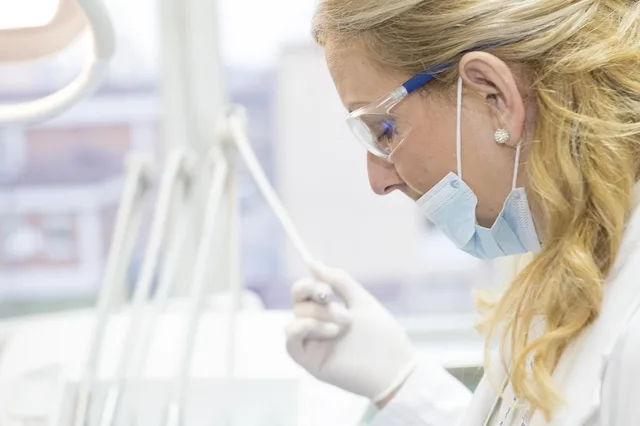
A technician checks the calibration of a centrifuge in a quiet laboratory setting. No matter how advanced the technology becomes, the complexity of human biology remains a significant barrier. The biological processes involved are highly sensitive to environmental and systemic variables.
While we can study these processes, the direct reversal of all aging markers remains an unproven frontier.
The scope of current research is bounded by these biological realities.
| Aspect | Impact Detail |
|---|---|
| Mortality Risk | 20-50% increase |
| Clinical Funding | $15.0 million |
- How does cellular aging impact mortality?
- What drives medical innovation in Japan?
- Can regenerative technology change patient care?
The subject here is Japan regenerative medicine.
The same subject is also called Medical innovation Japan.
The same subject is also called Modern healthcare Japan.
Future of Japanese medicine
What determines the success of clinical validation?
Clinical validation depends on the effective use of specialized funding to support complex medical protocols. This process requires the successful transition of laboratory breakthroughs into bedside applications to move beyond simple symptom management.
- Transfer a liquid culture into a specialized incubator.
- Conduct rigorous testing to ensure safety and efficacy.
- Stabilize cellular responses to prevent unintended outcomes.
How do research trends shift?
Research focus shifts based on the lessons learned from international cooperation. This evolution requires integrating biological science with the logistical frameworks needed to deliver new treatments.
Comparing current methods to future goals shows a shift from managing symptoms to achieving actual biological repair. This transition is conditioned by the ability to address the biological clock and cellular decay through targeted research.
Comments 0